
The difference between being tagged directly and someone using @followers on Facebook lies in how the interaction is personalized and who gets notified.
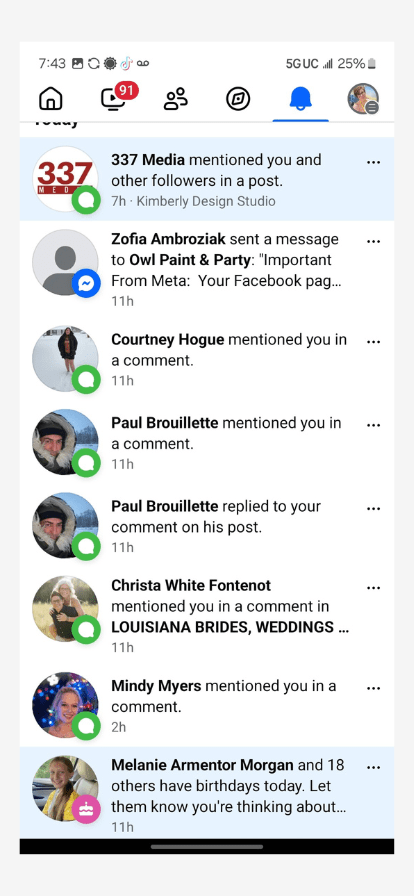
Here’s a breakdown:
1. Being Tagged Directly
When someone tags you in a post, photo, or comment:
- Personalized: They are specifically mentioning you by name. For example, “Look at this photo, [Your Name]!”
- Notifications: You receive a direct notification that says, “You were tagged in a post.”
- Visibility: The post often appears on your timeline (depending on your privacy settings), and your name is highlighted in the post.
- Purpose: This is typically used to draw your attention to something relevant to you, like a photo you’re in or a post they want you to see.
2. Using @Followers
When someone uses @followers in a post:
- Generalized: This tag is meant for anyone who follows their page. It’s not directed at a specific person.
- Notifications: Only people who follow the page might get notified, depending on Facebook’s algorithm and their notification preferences.
- Visibility: This is a broad tag and doesn’t appear on individual timelines unless shared or engaged with by the followers.
- Purpose: It’s typically used to alert all followers to something new or important, like an announcement, promotion, or event, without singling out anyone directly.
Key Difference
- Direct Tags = Personal and aimed at you specifically.
- @Followers = Broad and aimed at everyone following the page.
In short, direct tags are about personalized engagement, while @followers is a tool for mass communication to reach a larger audience.
What Not to do
Leaving a rude comment on a post that uses @followers isn’t just unkind—it can also have unintended consequences that impact more people than you may realize. Here’s why it’s important to think twice before posting negativity in this context:
1. It’s Not Just About You
When a business or creator uses @followers, they’re addressing their entire community. Leaving a rude comment doesn’t only target the page owner—it also affects the experience of other followers who see the post. A single negative comment can disrupt the positive energy of the conversation and discourage others from engaging.
2. It Impacts Small Businesses and Creators
For small businesses like Kimberly Design Studio, posts tagged with @followers are meant to share updates, promote events, or foster engagement with their community. A rude comment can tarnish their efforts to connect with their audience, discourage new followers from engaging, and even hurt their reputation. Small businesses rely heavily on social media for visibility, so negative comments can have a real impact.
3. It Reflects on You
Your comment represents you just as much as it expresses your opinion. When you leave a rude comment, it not only spreads negativity but can also give others a poor impression of your character. If you’re unhappy with a post or a business, a private message or constructive feedback is often a more appropriate and effective way to address concerns.
4. It Creates a Ripple Effect
Negativity often breeds more negativity. A rude comment might prompt others to join in, turning the post into a thread of criticism rather than fostering healthy discussion or engagement. This can derail the original intent of the post and discourage the creator or business owner from sharing in the future.
5. You Can Choose Kindness Instead
If you don’t like a post, you have the option to scroll past or unfollow the page. Social media should be a space for building connections, spreading positivity, and supporting one another—especially when it comes to small businesses or local creators. If you feel the need to voice a concern, constructive and respectful feedback goes much further than being rude.
The Takeaway
When someone uses @followers, they’re addressing a community, not an individual. Leaving a rude comment in such a public space affects more than just the page owner—it impacts the entire community of followers. Instead of contributing negativity, choose kindness, scroll on, or offer feedback in a way that’s thoughtful and respectful. By doing so, you help maintain a positive and supportive environment for everyone involved.
 Kimberly Design Studio
Leave a comment